We offer you in the computer science platform the best technology services, whether academic or technological, the level of services is the best and our prices are incomparable, join us now.
محركات البحث، تلك الأدوات التي لا يمكننا العيش بدونها في عصر الإنترنت الحالي. فمن منا لم يستخدم غوغل أو بينغ أو ياهو في يوم من الأيام؟ لكن، هل سبق لك أن تساءلت عن كيفية عمل هذه المحركات؟ عن الطرق الخفية التي تجعل صفحة ويب ما تظهر في النتائج الأولى؟ في هذا المقال، سوف نستعرض الأسرار والألغاز التي تكمن وراء محركات البحث.
الية عملها:
تبدأ رحلتها بعملية تسمى “الزحف”. هنا، يستخدم محرك البحث برامج خاصة تعرف بالـ “spiders” أو “bots” للبحث عبر الملايين من الصفحات على الإنترنت. هذه البرامج تقوم بمهمة جمع المعلومات عن هذه الصفحات والربط بينها.
بعد ذلك، يتم تحليل وتنظيم الصفحات المجمعة في قاعدة بيانات محرك البحث، عملية تُعرف بـ “الفهرسة”. تشمل هذه العملية تقييم جودة المحتوى، ومدى صلته بالكلمات الرئيسية، وما إذا كانت الصفحة تستوفي معايير محرك البحث الخاصة.
وأخيرًا، عندما يقوم المستخدم بالبحث عن معلومة ما، يستخدم محرك البحث خوارزميات معقدة للبحث في قاعدة البيانات، وإعادة النتائج الأكثر صلة بالبحث. هذه العملية تعتمد على العديد من العوامل، بما في ذلك جودة المحتوى، وعدد الروابط الداخلية والخارجية، ومدى صلة المحتوى بالكلمات الرئيسية التي تم البحث عنها.
إن فهم كيفية عمل محركات البحث هو المفتاح للظهور في النتائج الأولى. بمعرفة الأساليب التي تستخدمها المحركات يمكن تحسين الموقع وجعله أكثر ظهورا للجمهور المستهدف.
وبالطبع، هذه مجرد لمحة عامة عن عمل محركات البحث. الحقيقة هي أنها أكثر تعقيدا بكثير من ذلك. بفضل الذكاء الاصطناعي والتعلم الآلي، تتطور خوارزميات محركات البحث باستمرار، مما يجعل من الصعب البقاء على اطلاع دائم بأحدث الأساليب. لكن، بفهم الأساسيات، يمكننا أن نتكيف مع هذه التغييرات ونستفيد من الفرص التي تقدمها هذي المحركات .
وفي النهاية، يتجاوز دورها البحث البسيط عن المعلومات. فهي تعمل كمنصات تواصل بين المستخدمين والمواقع، وتلعب دورًا حاسمًا في تشكيل تجربة الإنترنت ككل. بفهم أسرار وألغاز محركات البحث، يمكننا استغلال هذه الأداة القوية بشكل أفضل وتحسين تجربة الإنترنت للجميع.
تهيئة الموقع لمحركات البحث
تهيئة الموقع لمحركات البحث هو عبارة عن أرشفة للموقع من أجل زيادة عدد المتابعين والوصول إلى الموقع ويكون حسب النظم والمعايير المحددة لذلك كما تتضمن تلك المعلومات جميع مع يحتاجها الأشخاص.
ويتم عن طريق البحث فيتم تكوين قاعدة بيانات منظمة ومرتبة يمكن الوصول إليها بطريقة سهلة.
معايير محركات البحث :
محركات البحث تستخدم مجموعة من المعايير لتقرير ترتيب الصفحات في نتائج البحث. هذه المعايير قد تتغير باستمرار بناءً على تحديثات خوارزميات محركات البحث، لكن هناك بعض العوامل الأساسية التي تبقى ثابتة. إليك بعض منها:
1. **جودة المحتوى**: يعد المحتوى ذو الجودة العالية أحد العوامل الأساسية. يتضمن ذلك المعلومات الدقيقة والمفيدة والفريدة التي تقدم قيمة للقارئ.
2. **الكلمات الرئيسية**: يجب أن يكون لصفحات الموقع الخاص بك كلمات رئيسية ذات صلة تمثل المحتوى. تتضمن الكلمات الرئيسية الفعالة مصطلحات طويلة التركيب وتلك المرتبطة بالموضوع الرئيسي لصفحتك.
3. **تجربة المستخدم**: يتضمن ذلك تحميل سريع للصفحة، تصميم سهل الاستخدام، والقدرة على التنقل بسهولة في الموقع.
4. **الروابط الداخلية والخارجية**: يعتبر الروابط المؤدية إلى موقعك والتي تأتي من مواقع ذات سمعة جيدة، بالإضافة إلى الروابط الداخلية ضمن موقعك، عاملًا مهمًا في تحسين ترتيبك في نتائج البحث.
5. **تحسين محرك البحث (SEO)**: يتضمن ذلك استخدام العناوين، والوسوم، ووصف الصفحة، وتنسيق URL للمساعدة في تحسين ترتيب الصفحة.
6. **الجوانب الفنية لSEO**: يتضمن ذلك استخدام تقنية SSL، وبناء الموقع بطريقة متوافقة مع محركات البحث، وتحسين سرعة التحميل.
7. **الأمان**: يفضل محركات البحث المواقع الآمنة، والتي تستخدم HTTPS بدلاً من HTTP.
8. **التحديثات المنتظمة**: محركات البحث تفضل المواقع التي تقوم بتحديث محتواها بانتظام. يمكن أن يشمل ذلك إضافة محتوى جديد، أو تحديث المحتوى الحالي.
9. **التوافق مع الأجهزة المحمولة**: في عالم يعتمد بشكل متزايد على الهواتف المحمولة، تفضل محركات البحث المواقع التي يمكن تصفحها بسهولة على الأجهزة المحمولة.
10. **المشاركة الاجتماعية**: يمكن أن يعتبر التفاعل على الشبكات الاجتماعية، مثل الإعجابات والمشاركات، مؤشرًا على جودة المحتوى.
شكرا لك على زيارتك لنا اذا اعجبتك المقالة ضع تعليق وقم بنشرها لتعم الفائدة.
أهمية الدعايا والإعلان يكون لها أهمية كبيرة جدا وذلك لما تعود به من مكاسب مادية وإظهار العلامة التجارية للشركة.
الشيء الذي يجعل المؤسسات او الشركات تحصل على مكانة متميزة في الوضع الاقتصادي على المستوى المحلي او الدولي.
ماهو الهدف من الدعايا التسويقية والفرق بينها وبين الإعلان ؟
الهدف من الدعاية التسويقية هو النشر والترويج لمنتج أو خدمة أو فكرة بطريقة مصممة لإقناع الجمهور المستهدف بالقيام بأكشن معين، سواء كان ذلك بشراء منتج، التسجيل في خدمة، أو تغيير الرأي حول قضية معينة. الدعاية التسويقية تقوم عادة على استراتيجيات معقدة تستخدم البحث والتحليل لفهم السلوك والاهتمامات والحاجات للجمهور المستهدف.
فيما يتعلق بالفرق بين الدعاية والإعلان، يمكن القول بأن الدعاية هي مجموعة الأنشطة التي تُعتبر جزءاً من العملية التسويقية الأوسع، والتي قد تشمل الأبحاث، التخطيط الاستراتيجي، الاتصالات الداخلية والخارجية، والعلاقات العامة، بينما الإعلان هو أداة محددة يتم استخدامها ضمن هذه العملية. يعتبر الإعلان نوع من الدعاية، هو توصيل رسالة ترويجية إلى الجمهور عبر وسائل الإعلام المختلفة مثل التلفزيون، الإذاعة، الصحف، الإنترنت، البريد الإلكتروني، والمزيد. بمعنى آخر، الإعلان هو جزء من الدعاية، ولكن ليس كل الدعاية هي إعلان.
دور الدعاية والاعلان في التسويق:
الدعاية والإعلان لهما دور هام في التسويق وهو أساسي لزيادة الوعي بالمنتجات والخدمات وجذب العملاء الجدد والحفاظ على العملاء الحاليين. إليك بعض الأدوار الرئيسية للدعاية والإعلان في التسويق:
1. زيادة الوعي: الدعاية والإعلان تلعبان دوراً هاماً في زيادة الوعي بالعلامة التجارية والمنتجات والخدمات التي تقدمها الشركة. يمكن للإعلانات أن تحقق هذا الهدف عبر العديد من القنوات، بما في ذلك التلفزيون، الراديو، الصحف، الإنترنت، وما إلى ذلك.
2. جذب العملاء الجدد: يمكن للدعاية والإعلان أن تجذب العملاء الجدد عبر التوصل إليهم برسائل ترويجية مستهدفة. يمكن أن تساعد هذه الرسائل العملاء المحتملين على فهم فوائد المنتج أو الخدمة وكيف يمكن أن تلبي احتياجاتهم أو تحقق أهدافهم.
3. الحفاظ على العملاء الحاليين: الدعاية والإعلان يمكن أن تساعد في الحفاظ على العملاء الحاليين عبر التذكير بالقيمة التي تقدمها العلامة التجاريةوالمنتجات والخدمات التي تقدمها الشركة.
4. تعزيز الصورة الإيجابية: الدعاية والإعلان يمكن أن تساعد في تعزيز صورة الشركة الإيجابية والموثوقية في أذهان العملاء والعملاء المحتملين.
5. تحفيز الشراء: الدعاية والإعلان يمكن أن تساعد في تحفيز الشراء عبر إبلاغ العملاء عن العروض الترويجية، أو إطلاق منتج جديد، أو تقديم حوافز خاصة للشراء.
بمجمله، تعتبر الدعاية والإعلان أدوات فعالة لتحقيق أهداف التسويق للشركات من جميع الأحجام والقطاعات.
Big data is being used in most industries to fuel their operations, increase returns as well as improve their decision making. As such the need for decision making expertise is decreasing due to availability of the required information from the big data, more personalized products and promotions are being made to customers and a revolution in business management taking place over being fueled by big data technologies. Big challenges are however being faced both the leaders in terms of their roles being taken over and unavailability of adequate data scientists.
Introduction
Many businesses are in the middle of having a management system that is data driven getting data from the social media, customers browsing trends, how they use their mobile phones as well as their sentiments since analysis of such data is promising to give a whole positive turnaround to the management’s decision making process (Tambe, 2014). Big data refers to data that is too vast to be processed using the traditional technologies and hence require new technology systems for processing (McAfee et al., 2012). Many firms that rely on big data to stay competitive includes firms in industries such as transportation, insurance, banking, health care as well as other in the education sector (Tambe, 2014). Big data has come to help in adding the value of firms as well as revolutionize management. This paper thus looks at what is big data, how big data has affected the value of a firm, benefits associated with use of big data as well as challenges faced in implementation of the same and how to tackle such challenges, steps that can be used by organizations to implement big data and finally gives a conclusion to big data and its usage.
Big data
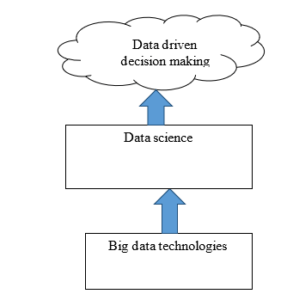
Tambe (2014) considers big data technologies to be used for data mining, as well as other activities involving data science in order to come up with data driven decision making as shown in the figure below. It maybe inform of pictures, messages, updates of social media, readings gotten from sensors, Global Position Systems gotten from cell phones and more (McAfee et al., 2012). Big data can be structured, semi-structured or unstructured. With structured data being well formatted in databases, unstructured being the data mostly stored in traditional technologies while the semi-structured is a combination of both. However, most of the big data available is unstructured (McAfee et al., 2012). Big data requires tools such as Hadoop and NoSQL for analysis. Hadoop is a tool that is helps to store any kind of data that would have otherwise been discarded (Alfouzan, 2015).
Fig: data driven technologies
Big data is also used in to boost a firm’s productivity growth with a single standard deviation of big data use bringing about 1-3% productivity growth as compared to an average firm and with a single standard deviation less big data utilization being associated 1-3% less productivity. This hence makes a very big difference in terms of productivity for two firms at the extreme ends (Alfouzan, 2015). As McAfee et al., (2012) explains, just like analytics, big data seeks to gather important acumen from data and convert it into a business gain.
Characteristics of operational big data
AccordingTambe (2014), the following are the features of effective big data;
Ability to integrate, the data must be capable of being mixed and combined effortlessly with other data sets.
Economical: the data must be of low cost such that the returns achieved from the use of such data is lower as compared to the cost of acquiring and hiring of technical skills to make such data usable.
Flexible: the data must be of less complexity in a way that it can accommodate other requirements such as aligning it for the required user.
Stable: the data must have stability since it is huge and has to be used by a large number of users with all getting the same information without distortion.
In order to increase the performance of big data on businesses, it is important to get the required components such as;
Data sources: these should be well functioning systems
Data platforms which can help capture data including data warehouses which can help manage such data and give consumer insights as well as help act on such information.
Analytical tools of big data; these should be capable to being used by the analytics including giving the required insights to the executives and management for effective decision making.
Effects of big data on firms
Integration of present big data insights with Hadoop as well as the inclusion of environmental analytics may help enrich a business with business insights (Alfouzan, 2015). Firms that are able to acquire experts in big data information technology are able to acquire firm value than firms who find it difficult to acquire such expertise (Tambe, 2014). Additionally, Tambe (2014) explains that firms acquiring new IT-innovations faster are able to reap benefits from the investments of other firms which relate faster and whose adoption of such innovations are low. McAfee et al., (2012) extrapolates that as more as companies term themselves as big data drive, the more they showed better results of management.
In the near future, big data will become essential in business operations and every firm must set a foundation for such technologies though some forward thinking firms have already reached that level (Tambe, 2014). However, Tambe, (2014). if the other firms continue to lag behind in their adoption of these data intensive technologies, firms operating in big data intensively will continue experiencing larger productivity rate and growth than others. The more tools and ideas of big data continue to spread; the more they will change the ideas firms have concerning experience, expertise and how management is practices and leaders who are keen will begin to see big data as a revolution that has come for management. (McAfee et al., 2012). McAfee et al., (2012) add by explaining that as more firms join in to use big data, other sources of information cropping up will be readily available and new tools will become more cost effective as they usher in a new era of digitization in which big data will be virtually available on basically any topic that businesses maybe interested in.
Benefits of using big data
Tambe (2014) explains that Labour markets are able to have return on investments early through use of big data technologies.
Big data enables organization to think big in terms of investment, innovations as well as inventions. This as McAfee et al., (2012) explains, big data can be used to create new business by firms.
It helps in cost saving which may even grow bigger with time and as firms’ grow. This is because of the reducing costs of computer storage and memory fees, as well as bandwidth and processing. Cost saving could also be seen in form of not engaging outsourced expertise to come and help in decision making since all information needed for such decisions are gotten from the data base and are evidence based (McAfee et al., 2012).
It enhances operations across the business due to availability of the needed information.
Improved decision making: According to McAfee et al., (2012) it helps the management measure and know with certainty about their business and use that knowledge to improve decision making and business performance. Data driven decisions are quite better and informed as they help the management make decision on basis of facts as opposed to perception and has the ability to see a revolution in management.
Better advertising: through being able to track what customers bought, what they showed interest in, the sites they also searched, etc., online businesses are able to make more informed personalized promotions and recommendations to customers which mostly lead to sales as opposed to what traditional systems could help them achieve (McAfee et al., 2012)
Creation of sales
Increase of returns; through analysis of the customer, suppliers and competitors interactions, big data technologies will enable a firm to increase its returns as it improves the depth of insight gotten (Tambe, 2014)
Challenges faced in implementation of big data
Tambe (2014) notes that one big challenge faced in the implementation of big data by firms is lack of the required technical skills to be able to support the tools required for big data citing that the more big data technologies grows the more problems associated with finding the required skills increase. Advanced analysis requires people with the required skills including the required privacy law, data science as well as a good understanding of the business and know how value is gotten, companies also will require to employ scientists who have the ability of finding patters in data and convert them into information that can be used by the businesses (Tambe, 2015; McAfee et al., 2012)). Additionally, as McAfee et al., (2012) states, management challenges will come in inform of decisions being fact-based as well the whole organization having to change their mind-set on what they consider as “judgement”.
Huge and perplexing data range included in the big data technologies as well as their sellers make it very difficult to find the correct answer from the data (Tambe, 2014). Moreover, as organizations engage in big data intensively, it may require more or less of leadership a thing that may be more challenging for leaders (McAfee et al., 2012). Tambe (2014) extrapolates by citing that poor integration of big data may lead to poor results as 80% of the value obtained from big data is as a result of integration, further to acquiring the required skills, he notes that the scholar notes that data changes, and governance, practices of management as well as the response speed to information may pose additional challenges.
Ways of overcoming challenges
Leaders can be given new roles of being informants through giving them the required data and also asking the right questions, as such people are more likely to adopt information faster when it comes from the executives hence the conflict in leadership will be contained, additionally, big data does not remove the need for human acumen and as such there will still be need for leader (McAfee et al., (2012). McAfee et al., (2012) puts an insight that with most firms becoming digitized, most young people are finding data science as an attractive job and expertise will increase in these field and developing cheaper and more effective analysis tools, this will eliminate both the lack of expertise as well as the difficulty associated with getting the correct answers from the data, moreover, these incoming expertise will come in with skills that will be able to handle analytical tools like Hadoop and others to integrate data effectively in order to get best results. Tambe (2014) also notes that technologies of big data are maturing and ways of getting the needed skills are being expanded through the universities.
Implementing big data in firms
McAfee et al., (2012) states that to start using big data, firms do not need to make huge investments in Information Technology instead the following are some basic steps for stating off with big data ;
Choose a business unit which will be used as attest ground a and back it up with a leader and data scientist
Identify five key business opportunities which are based on big data and which can be tested in five weeks through prototyping by a of five or less people.
Implement an innovation process through use of these steps; experiment, measure, share and replicate.
Share your data sets and analytics challenges across the world through the internet.
Conclusion
Big data is quickly sweeping over through most of the industries and soon most businesses will have to join in and use big data in their management and decisions making.
As Tambe (2014) explains, managers will eventually have to weigh the competitive advantages of using big data technologies against the costs involved in getting the required skills and which are expected to reduce with time since management is going through a revolution by use of big data technologies. Moreover, a firm’s value is added by use of big data through informed decision making, cost savings, opening of new business opportunities, better operations, result oriented advertisement and many more.
It is also important to note that firms that do not engage in big data while their related firms do become competitively disadvantaged as their related firms who use big data end up gaining more from their investments hence their value increasing. McAfee et al., 2012 concludes their paper by pointing out that a revolution on management which is inevitable will come in inform of big data usage almost across all industries, It is therefore evident that any firm still using the traditional data systems should invest in big data systems in order to reap ultimate benefits of better management and improved value.
References
[1] Tambe, P. (2014). Big data investment, skills, and firm value. Management Science, 60(6), 1452-1469.
[2] Alfouzan, H. I. (2015). Big Data In Business. International Journal of Scientific & Engineering Research, 6(5), 1351.
[3] McAfee, Andrew, Erik Brynjolfsson, Thomas H. Davenport, D. J. Patil, and Dominic Barton. “Big data: the management revolution.” Harvard business review 90, no. 10 (2012): 60-68.
كيفية عمل خطة تسويقية الكترونية؟ خطة التسويق الالكتروني تعتبر أمرًا ضروريًا لتنظيم ما سوف يبذل من جهد فيما يتعلق بالإجراءات الترويجية التي سوف تتبعها لتحقيق أهداف عملك. وذلك من خلال تحديد كيفية وآلية استخدام جميع الأدوات التي يضعها التسويق عبر الإنترنت لتقوية علامتك التجارية والاستفادة القصوى منها.
ما هي خطة التسويق الالكتروني ؟
خطة التسويق الالكتروني هي عبارة عن سلسلة من الإجراءات التي تساعدك على تحقيق أهداف شركتك من خلال قنوات التسويق عبر الإنترنت.
كيفية عمل خطة تسويقية الكترونية لعلامتك التجارية؟
لكي تستطيع معرفة كيفية عمل خطة تسويقية الكترونية ناجحة، فيجب عليك القيام ببعض الخطوات التالية:
تقيم السوق وحجم المنافسة:
في البداية يجب عليك فهم البيئة المحيطة التي تعمل فيها. ولتحقيق هذا، فسوف تحتاج إلى دراسة السوق وحجم المنافسة به بشكل دقيق. وذلك من خلال تحديد خصائص القطاع الذي تعمل به واتجاهاته، وتحليل منافسيك وتحديد نقاط الضعف والقوة الخاصة بهم. ثم في النهاية تحديد ما الذي سيجعل منتجك بارزًا ويستطيع المنافسة أمامهم.
ابحث عن جمهورك:
قم بتحديد الجمهور الذي تستهدفه وما هي احتياجاتهم ودوافعهم وكيفية التواصل والتفاعل معهم عبر الإنترنت. وذلك من أجل اختيار أفضل القنوات واستراتيجيات الاتصال للوصول إليهم.
حدد أهدافك:
بعد ذلك يجب عليك الإجابة على سؤال: ما الذي تسعى لتحقيقه ؟ فهل تسعى لخلق عملاء جدد لعلامتك التجارية أم لأخذ توصيات وآراء عملائك الحاليين أم زيادة عدد مرات ذكر اسم علامتك التجارية بشكل إيجابي؟ وهل هذا يتفق مع الاستراتيجيات العالمية في مجال عملك أم لا؟
حدد ميزانيتك:
الآن يجب عليك تحديد ميزانيتك وكيفية إنفاقها على وسائل الاتصال عبر الإنترنت. والإجراء الأكثر شيوعًا هنا هو تقسيم ميزانيتك واستثماراتك بين القنوات المختلفة التي تستخدمها (مثل الويب ومحركات البحث والوسائط الاجتماعية.
ابدع في وضع استراتيجياتك:
فكر في كيفية تحقيق أهدافك باستراتيجيات وطرق مختلفة وملفتة للانتباه. أي أجب عن سؤال كيف يتم التسويق الالكتروني بشكل مبدع يخدم أهدافك بطريقة لافته للنظر.. تعمل على جلب عملاء جدد لك في أسرع وقت ممكن.
ابدأ في عملية البيع:
استنادًا إلى الاستراتيجية التي قمت بتحديدها، ففكر في كيفية تحويل زائر موقعك الإلكتروني إلى عميل لك. على سبيل المثال، قم بتوفير بعض العروض له كونه عميل جديد لموقعك – إذا كنت تعمل في مجال التجارة الإلكترونية.
حافظ على ولاء العملاء لك:
بمجرد أن تتمكن من تحويل المستخدم إلى عميل لك، ففكر جيدًا في كيفية المحافظة على هذا العميل وجعله عميل دائم لعلامتك التجارية – وهذا الأمر هو الأصعب في خطة التسويق الالكتروني .
شكرا لك على زيارتك لنا اعجبتك المقالة ضع تعليق وقم بنشرها لتعم الفائدة.
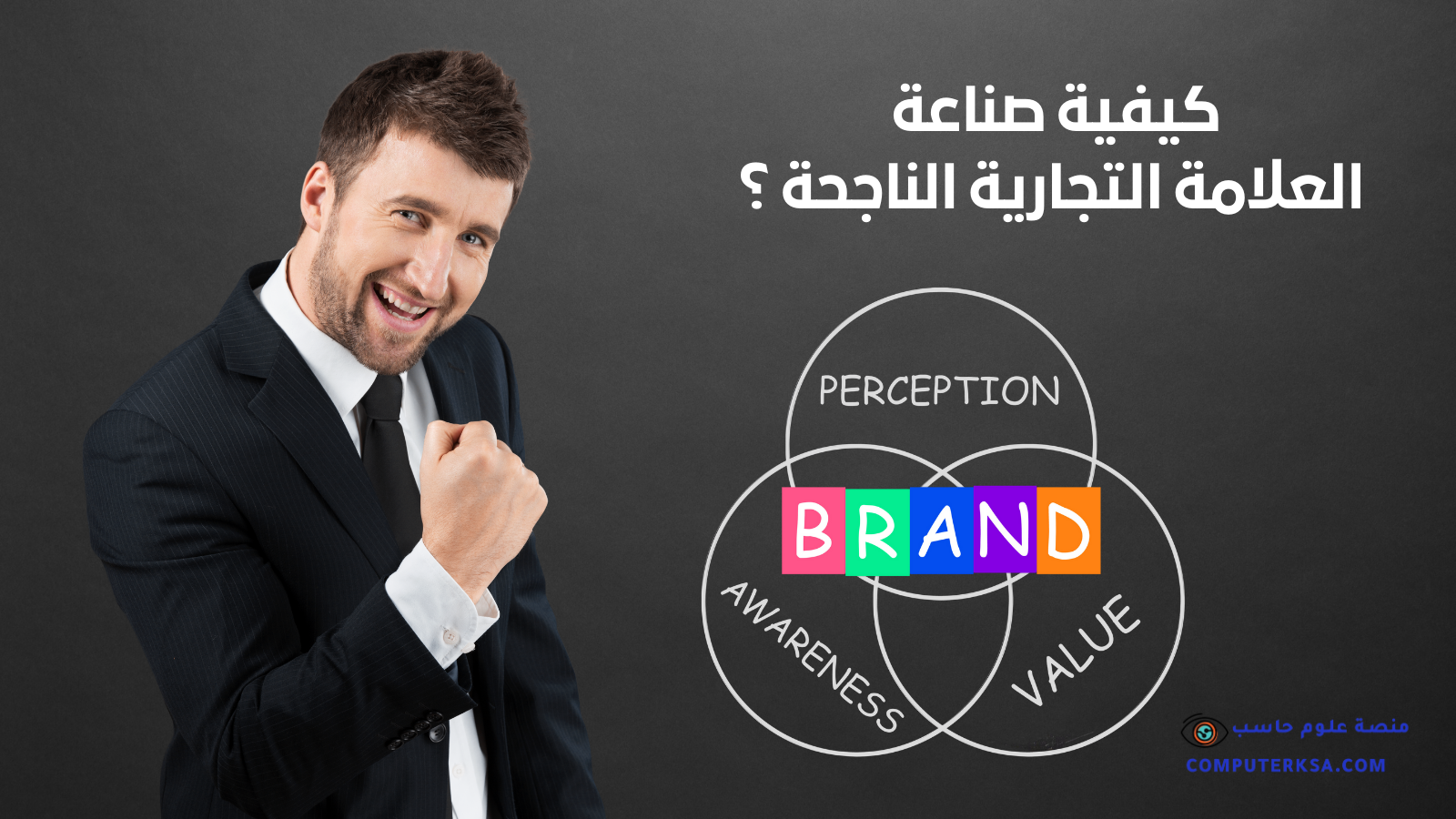
كيفية صناعة البراند؟ يرغب الجميع ان يتحول البيزنس الخاص به الى براند مشهور بارباح عالية , حيث يشد انتباه الجميع فى السوق ولكن كل ذلك لا بد من وجود خطة تسويق لكى تحقق هدفك وتصبح براند قوى ومشهور بأرباح ذو قيمة ؛ لذا سوف نتحدث فى هذا المقال عن كيف يكون البراند ؟ كيف تصنع هوية تجارية لمنتج؟
كيف تضع خطة لتصبح براند ؟
لكى نستطيع وضع الخطة لابد من معرفة الاستراتيجية التى سوف تبنى عليها البراند الخاص بك كى تصبح ذو قيمة امام البراندات الاخرى وبالتالي العميل يتعرف على البراند الخاص بك ويرسخ فى ذهنه بشكل مختلف وغير تقليدى , حيث ان استراتيجية البراند هى المسؤلة عن مدى سمعت البراند والوصول للشريحة المستهدفه .
كيفية صناعة العلامة التجارية(البراند)
تُعد العلامة التجارية من العوامل الأساسية والحيوية التي تساهم في نجاح أي مؤسسة أو منتج. فهي تمثل الصورة التي يتبادر إلى الذهن عند ذكر اسم المنتج أو الشركة، وبناء العلامة التجارية الناجحة يحتاج إلى جهد متواصل واستراتيجية ذكية.
الخطوة الأولى: تحديد الهوية والرسالة
أولا وقبل كل شيء، يجب أن تحدد الرسالة التي تريد أن تعبر عنها من خلال علامتك التجارية. هذه الرسالة يجب أن تكون واضحة ومباشرة، وتعكس القيم والرؤية للشركة. أيضًا، من المهم تحديد الجمهور المستهدف وفهم احتياجاته وتوقعاته.
الخطوة الثانية: تصميم الشعار والهوية البصرية
الشعار هو الرمز الذي يتعرف به الجمهور على منتجاتك أو خدماتك. يجب أن يكون الشعار مُميز وبسيط بما يكفي ليتذكره الجمهور، وكذلك يجب أن يعكس الهوية البصرية للعلامة التجارية.
الخطوة الثالثة: بناء الوعي بالعلامة التجارية
بعد تصميم الشعار والهوية البصرية، يجب العمل على بناء الوعي بالعلامة التجارية. هذا يمكن أن يتم من خلال الإعلانات المباشرة، والتواصل الاجتماعي، والعلاقات العامة، والتسويق المحتوى.
الخطوة الرابعة: تقديم جودة ثابتة
المنتجات والخدمات ذات الجودة العالية هي الأساس لبناء الثقة بالعلامة التجارية. يجب أن تسعى دائمًا لتقديم الأفضل لعملائك والحفاظ على معايير الجودة العالية.
الخطوة الخامسة: تعزيز العلاقات مع العملاء
بناء علاقات قوية مع العملاء من خلال تقديم خدمة عملاء ممتازة والاستماع إلى احتياجاتهم ورغباتهم يمكن أن يكون له تأثير كبير على تعزيز العلامة التجارية.
بناء العلامة التجارية الناجحة ليس عملية سريعة أو سهلة، ولكنها تحتاج إلى التفاني والجهد والاستمرارية. بمرور الوقت، ستصبح العلامة التجارية صورة تعبر عن القيم والجودة التي تقدمها الشركة، وبالتالي ستكون العامل الأهم في جذب والحفاظ على العملاء.
شكرا لك على زيارتك لنا اعجبتك المقالة ضع تعليق وقم بنشرها لتعم الفائدة.
Rapid application development & win win spiral approach.
Introduction :
The software development models are the different procedures or philosophies that are being chosen for the improvement of the venture contingent upon the venture’s points and objectives. There are numerous improvement life cycle models that have been produced with a specific end goal to accomplish diverse required destinations. The models determine the different phases of the procedure and the request in which they are completed.
The determination of model has high effect on the testing that is completed. It will characterize the what, where and when of our arranged testing, impact relapse testing and to a great extent figures out which test strategies to utilize.
There are different Software improvement models or approach. They are as per the following:
(RAD) is a software development methodology, which favors iterative improvement and the fast development of models rather than a lot of in advance arranging. The “arranging” of programming created utilizing RAD is interleaved with composing the product itself. The absence of broad pre-arranging by and large permits programming to be composed much speedier, and rolls out it less demanding to improvement necessities.
The fast advancement handle begins with the improvement of preparatory information models and business handle models utilizing organized methods. In the following stage, prerequisites are confirmed utilizing prototyping, in the long run to refine the information and process models. These stages are rehashed iteratively; assist advancement brings about “a joined business necessities and specialized plan proclamation to be utilized for building new systems”.[1]
The term was initially used to depict a product advancement prepare presented by James Martin in 1991. As indicated by Whitten (2003), it is a merger of different organized methods, particularly information driven Information Engineering, with prototyping strategies to quicken programming frameworks development.[1]
win win spiral approach:
The win win spiral approach is the enhanced version of Spiral Approach. The phase in this is same as of Spiral Approrach while as the only difference is the time of identifying the requirements, the delevelopment team and customer hold discussions. This approach is called win win because of its winning situation for development team as well as the customer. The customer wins by getting the product that fills his most of the requirements and the delevoplment team wins by deleviring the software which is create by getting the all requirements after negotiations with the customer. This approach is only used when we have time bound releases.
Spiral model has four phases Planning,risk analysis,engineering and evaluation But the more focus is on Risk Analysis.
This project undergoes each phase repeatedly which are called Spirals Planning phase is the baseline and each subsequent part is build on that spiral model. The advantage if this project is that more emphasis is put on risk analysis and software is produced at early stage but its very costly model. [3]
Conclusion :
The rapid development process starts with the improvement of preparatory information models and business handle models utilizing organized methods. In the following stage, prerequisites are checked utilizing prototyping, in the long run to refine the information and process models. These stages are rehashed iteratively; promote advancement brings about “a consolidated business necessities and specialized outline explanation to be utilized for building new systems”.c
The Win-Win Spiral Model propsed by Barry Boehm is another interpretation of a customary programming process. While keeping up large portions of the conventional components of the winding model, the Win-Win variant endeavors to include all partners in the advancement procedure. It includes a community motor that sets up “win” conditions set by clients, clients, designers, and framework builds to develop and reprioritze necessities all through the procedure. Customary practices, for example, prerequisites building, plan, code, and test, are still present amid every emphasis of the winding, yet the collective stride all through the improvement procedure makes it unmistakably versatile. This cooperation conveys programming all the more rapidly, with higher quality, and less expensive due to the in advance fulfillment of client prerequisites and decreased measure of upkeep. [3]
Centers for Medicare & Medicaid Services (CMS) Office of Information Service (2008). Selecting a development approach. Webarticle. United States Department of Health and Human Services (HHS). Re-validated: March 27, 2008. Retrieved 27 Oct 2008.